
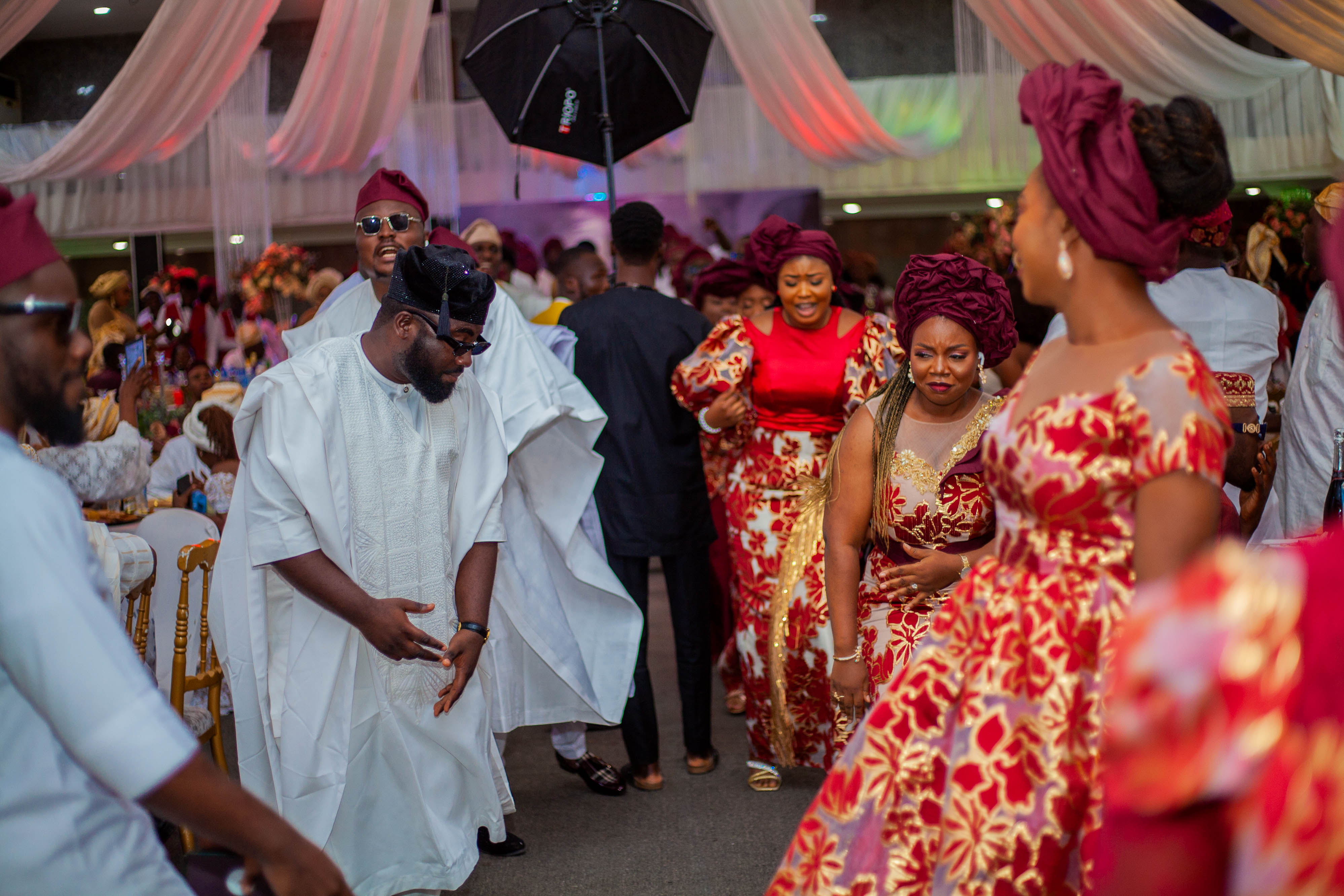
How to Plan a Wedding in Ibadan, Oyo State: A Complete Guide
Planning a wedding is an exciting milestone, but bringing every detail together can quickly become overwhelming. From choosing the perfect venue and managing your budget to coordinating vendors and creating a beautiful atmosphere, every decision contributes to the success of your celebration.
If you are planning a wedding in Ibadan or anywhere in Oyo State, having a clear plan can help you stay organized, manage expenses, and enjoy the journey toward your special day.
Whether you are organizing a traditional Yoruba wedding, a white wedding, or both ceremonies, this guide will walk you through the essential steps to planning a memorable wedding.
1. Set a Realistic Wedding Budget
Before booking a venue or contacting vendors, establish how much you can comfortably spend on your wedding.
Your budget will influence nearly every decision, including the venue, guest list, decoration, catering, photography, entertainment, and transportation.
Start by discussing your priorities with your partner and any family members contributing financially.
Your wedding budget may include:
- Venue rental.
- Wedding planning and coordination.
- Decoration and styling.
- Catering and drinks.
- Wedding attire and accessories.
- Photography and videography.
- Music and entertainment.
- Invitations and guest communication.
- Transportation and accommodation.
- Traditional wedding requirements.
- Contingency funds for unexpected expenses.
Allocate money according to your priorities rather than spending equally on every category.
For example, if beautiful decoration and guest comfort are particularly important to you, make sure your budget reflects those preferences.
It is also wise to keep a contingency reserve for unexpected costs. The amount will depend on your budget and circumstances.
Wedding planning tip: Agree on your maximum spending limit before making financial commitments. This will help you make decisions confidently and avoid unnecessary financial pressure.
2. Decide on the Type of Wedding You Want
Nigerian weddings can involve different ceremonies and cultural traditions. Before planning individual details, agree on the type of celebration that best reflects your preferences and family expectations.
You may be planning:
- A traditional Yoruba engagement ceremony.
- A white wedding.
- A civil wedding followed by a reception.
- A traditional ceremony and white wedding on separate dates.
- An intimate wedding with close family and friends.
- A larger celebration with an extensive guest list.
Each option has different planning requirements.
A traditional wedding may involve family introductions, customary attire, traditional engagement items, and other arrangements agreed upon by the families.
A white wedding may require additional coordination for the ceremony, reception, bridal party, photography, entertainment, and guest experience.
Deciding on the format early will help you determine your timeline, budget, venue requirements, and vendor needs.
3. Choose Your Wedding Date Early
Your wedding date affects venue availability, vendor bookings, travel arrangements, and the amount of preparation time available.
When choosing a date, consider:
- Your preferred season.
- Family availability.
- Religious or cultural considerations.
- Travel requirements for guests.
- Venue availability.
- Your overall planning timeline.
- Potential weather conditions, particularly for outdoor events.
If you are considering an outdoor wedding in Ibadan, make arrangements for changing weather conditions.
Depending on the venue, this may include an appropriate covered area, a suitable alternative indoor space, or another practical contingency plan.
Once you settle on a date, communicate it to your key vendors and important guests as early as possible.
4. Create Your Wedding Guest List
Your guest list affects your budget, venue selection, catering arrangements, seating plan, and overall event logistics.
Start by estimating the number of guests you expect to invite.
You can divide the list into categories such as:
- Immediate family.
- Extended family.
- Friends.
- Colleagues.
- Religious or community contacts.
- Other invited guests.
Discuss the guest list with your partner and any family members involved in the planning process.
If your budget is limited, agree on a guest limit before invitations are sent out.
Remember that a larger guest list may increase costs for catering, seating, venue capacity, invitations, and other services.
A realistic guest count makes it easier to select a venue that offers sufficient space without unnecessary expenditure.
5. Find the Right Wedding Venue in Ibadan
Your venue will influence the atmosphere, logistics, decoration, and guest experience.
Ibadan offers different venue options, including event centres, hotels, halls, gardens, and other suitable spaces.
The best choice depends on your guest count, budget, preferred style, and the type of ceremony you are planning.
When inspecting a venue, consider the following:
Capacity: Can the venue comfortably accommodate your expected guests?
Accessibility: Is it convenient for guests travelling from different parts of Ibadan and Oyo State?
Parking: Is there adequate parking or a practical transportation arrangement?
Facilities: Are the restrooms, power supply, lighting, ventilation, and other facilities suitable?
Decoration restrictions: Are there rules about hanging installations, candles, lighting equipment, or external decorators?
Weather arrangements: If the event is outdoors, what alternatives are available in case of rain?
Vendor access: Can your decorator, caterer, photographer, and other vendors access the venue conveniently during setup?
Total cost: Does the quoted price include cleaning, security, equipment, and other charges, or are these billed separately?
Visit shortlisted venues before making a final decision. Ask for written confirmation of the booking terms and any additional fees.
6. Hire the Right Wedding Planner
Wedding planning involves coordinating multiple people, schedules, budgets, and service providers. Professional assistance can help reduce the workload and keep the preparation process organized.
A wedding planner may assist with budgeting, vendor coordination, scheduling, logistics, and other agreed responsibilities.
Before hiring a wedding planner in Ibadan, ask questions such as:
- What services are included in your package?
- Have you coordinated weddings similar to ours?
- How do you manage budgets and vendor payments?
- Will you be present on the wedding day?
- How do you handle unexpected changes?
- What is your payment schedule?
- What responsibilities remain with the couple?
- Can we review a written agreement before making payment?
Clarify the difference between full wedding planning, partial planning, and wedding-day coordination.
These services may involve different responsibilities and fees, so make sure you understand exactly what you are booking.
Choose a professional whose experience, communication style, service scope, and pricing match your needs.
7. Select Reliable Wedding Vendors
Your vendors play an important role in delivering the wedding you envision.
Depending on your requirements, you may need:
- A caterer.
- An event decorator.
- A photographer and videographer.
- A makeup artist.
- A DJ, live band, or other entertainment provider.
- A cake designer.
- A rental company.
- Transportation providers.
- An MC or event host.
Research potential vendors, review their previous work, and ask for detailed quotations.
Whenever possible, review genuine examples of completed projects and clarify what each quotation includes.
For example, a decoration quotation should specify the agreed design elements, materials, installation arrangements, transportation, and removal of equipment where applicable.
Before making payments, confirm the vendor's availability, payment terms, cancellation policy, and responsibilities in writing.
Keep important contact details and booking confirmations in one place so that you can access them easily throughout the planning process.
8. Plan Your Wedding Decoration and Theme
Wedding decoration helps create the atmosphere and visual identity of your celebration.
Before choosing decorations, decide on the style you want.
Popular approaches include:
- Elegant and minimalist styling.
- Romantic floral arrangements.
- Classic white and neutral colour palettes.
- Bold and colourful traditional wedding designs.
- Contemporary luxury-inspired decoration.
- Garden-inspired outdoor styling.
- Cultural designs that reflect your heritage.
Your chosen theme should work with your venue, budget, and the overall experience you want to create.
Important decoration elements may include the entrance, ceremony backdrop, reception stage, guest seating, table centrepieces, lighting, and photo areas.
When discussing your ideas with a decorator, share reference photographs, your preferred colours, and the approximate number of guests.
Ask the decorator to explain which elements are included in the quotation and which would require additional payment.
It is also important to consider the size and layout of the venue. A design that works beautifully in a large hall may need adjustments for a smaller space.
Decoration tip: Prioritize the areas your guests will notice most, while ensuring there is sufficient room for comfortable movement and practical event activities.
9. Organize Catering and Guest Hospitality
Food and hospitality are important parts of many Nigerian wedding celebrations.
When selecting a caterer, consider the expected guest count, menu preferences, dietary requirements, service style, and available budget.
You may want to include traditional Nigerian dishes, continental options, snacks, drinks, or a combination of different offerings.
Discuss the following with your caterer:
- The proposed menu.
- The estimated number of servings.
- Service staff requirements.
- Food preparation and delivery arrangements.
- Serving times.
- Drinks and water arrangements.
- Additional charges.
- Procedures for accommodating dietary needs.
Confirm whether the venue has a suitable kitchen or designated catering area.
It is also helpful to consider how guests will move between seating areas, food stations, and other parts of the venue.
Good planning can help prevent unnecessary queues and make the reception more comfortable.
10. Prepare a Wedding-Day Schedule
A wedding-day schedule helps everyone understand what should happen and when.
Without a clear programme, important activities may overlap, vendors may be unsure of their responsibilities, and guests may experience unnecessary delays.
Your schedule might include:
- Venue access and vendor setup.
- Decoration inspection.
- Photography preparations.
- Arrival of the couple and bridal party.
- Wedding ceremony.
- Family photographs.
- Reception entrance.
- Speeches and special presentations.
- Meal service.
- Dancing and entertainment.
- Closing activities and vendor breakdown.
The exact schedule will depend on your ceremony format and cultural requirements.
Allow some flexibility between major activities. Travel delays, photography, guest arrivals, and other unexpected situations can affect the programme.
Share the final schedule with your planner, MC, venue representative, and relevant vendors before the wedding.
Assign a designated person to communicate with vendors and help resolve routine issues so that you and your partner can focus on enjoying the occasion.
11. Send Invitations and Communicate With Guests
Once your date and venue are confirmed, begin communicating with your guests.
Depending on the size and style of your wedding, you may use printed invitations, digital invitations, or a combination of both.
Your invitations should clearly communicate:
- The names of the couple.
- The event date.
- The ceremony and reception times.
- The venue and location details.
- Relevant dress-code information.
- RSVP instructions, where applicable.
Provide accurate directions and useful information about parking or transportation when necessary.
If many guests will travel from outside Ibadan, consider communicating important details early enough for them to make arrangements.
Where appropriate, collect RSVPs to help estimate attendance and coordinate seating and catering.
12. Prepare for Unexpected Situations
Even well-planned weddings can experience last-minute changes.
Preparation can help you respond calmly when something does not go according to plan.
Consider possible challenges such as:
- Rain during an outdoor event.
- Traffic delays.
- Vendor arrival problems.
- Changes in guest numbers.
- Power interruptions.
- Equipment problems.
- Unexpected expenses.
Discuss contingency arrangements with your planner and key vendors.
For example, an outdoor venue may need a practical weather alternative, while an event with extensive lighting and sound equipment may require a suitable backup power arrangement.
Keep essential contact information accessible and make sure the people responsible for resolving problems know what to do.
You do not need to anticipate every possible problem. Focus on the risks most likely to affect your event and prepare reasonable alternatives.
13. Create a Final Wedding Checklist
As the wedding approaches, use a checklist to confirm that the important arrangements are complete.
Wedding planning checklist
- Wedding budget agreed upon.
- Wedding date confirmed.
- Guest list prepared.
- Venue booked.
- Planner or coordinator confirmed, if required.
- Major vendors booked.
- Decoration design approved.
- Catering arrangements confirmed.
- Invitations distributed.
- Guest responses reviewed.
- Wedding programme prepared.
- Vendor arrival and setup times confirmed.
- Payments and outstanding balances reviewed.
- Transportation arrangements confirmed.
- Weather contingency considered, if relevant.
- Final venue inspection completed.
- Wedding-day contacts and responsibilities shared.
Review this checklist with your partner and planner, if you have one, to identify any outstanding tasks.
14. Why Professional Wedding Planning Can Help
Planning a wedding involves many connected decisions. A change in one area can affect several others.
For example, changing your venue may influence your decoration design, catering arrangements, transportation requirements, and setup schedule.
A professional planner can help coordinate these moving parts, depending on the services included in your agreement.
Professional assistance may be particularly useful if you have a demanding work schedule, are coordinating events across multiple locations, have a large guest list, or want someone to oversee the event-day programme.
However, every couple's needs are different. Some may prefer full planning support, while others may only need help with coordination closer to the wedding date.
The important thing is to choose an arrangement that matches your priorities and budget.
Frequently Asked Questions About Wedding Planning in Ibadan
How early should I start planning my wedding?
The ideal timeline depends on your wedding size, venue availability, and the complexity of your arrangements. Starting early gives you more time to compare vendors, manage your budget, and make important decisions. Smaller celebrations may require less preparation time.
How much does it cost to plan a wedding in Ibadan?
Wedding costs vary depending on the guest count, venue, catering, decoration, entertainment, attire, and other requirements. Request current quotations from vendors and prepare a budget based on your priorities rather than relying on a single general estimate.
Do I need a wedding planner?
Not every couple needs full-service planning. A planner may be helpful if you want assistance coordinating vendors, managing logistics, or overseeing the wedding-day schedule. Consider your available time, the complexity of the event, and the level of support you require.
How do I choose a wedding decorator in Ibadan?
Review the decorator's portfolio, ask about previous projects, discuss your preferred style, and request a detailed quotation. Confirm what the package includes, when installation will take place, and how changes or additional costs will be handled.
Can I plan a traditional Yoruba wedding and a white wedding together?
Yes. Some couples coordinate both ceremonies within one broader wedding plan, while others hold them on separate dates. The right approach depends on family preferences, cultural requirements, budget, guest arrangements, and the time available.
What should I prioritize when planning a wedding on a budget?
Start with the essentials: a suitable venue, a realistic guest list, necessary vendors, catering, and the elements that matter most to you. Compare quotations, avoid unnecessary expenses, and leave room for unexpected costs.
Conclusion
Planning a wedding in Ibadan or anywhere in Oyo State becomes more manageable when you have a clear budget, a realistic timeline, reliable vendors, and an organized programme.
From choosing your venue and planning the decoration to coordinating catering and preparing for unexpected situations, every step contributes to a more organized celebration.
Most importantly, remember that your wedding should reflect your preferences, values, and priorities as a couple.
Planning a wedding in Ibadan or Oyo State?
Pleasant Jay Events can be presented here as your next point of contact for wedding planning, coordination, or decoration services that the business currently offers.
Tell us about your wedding — timeline, guest count, what you have settled and what is still open. Start the conversation on WhatsApp or fill in our brief.
Get in touch with Pleasant Jay Events to discuss your wedding vision, requirements, and available service options.